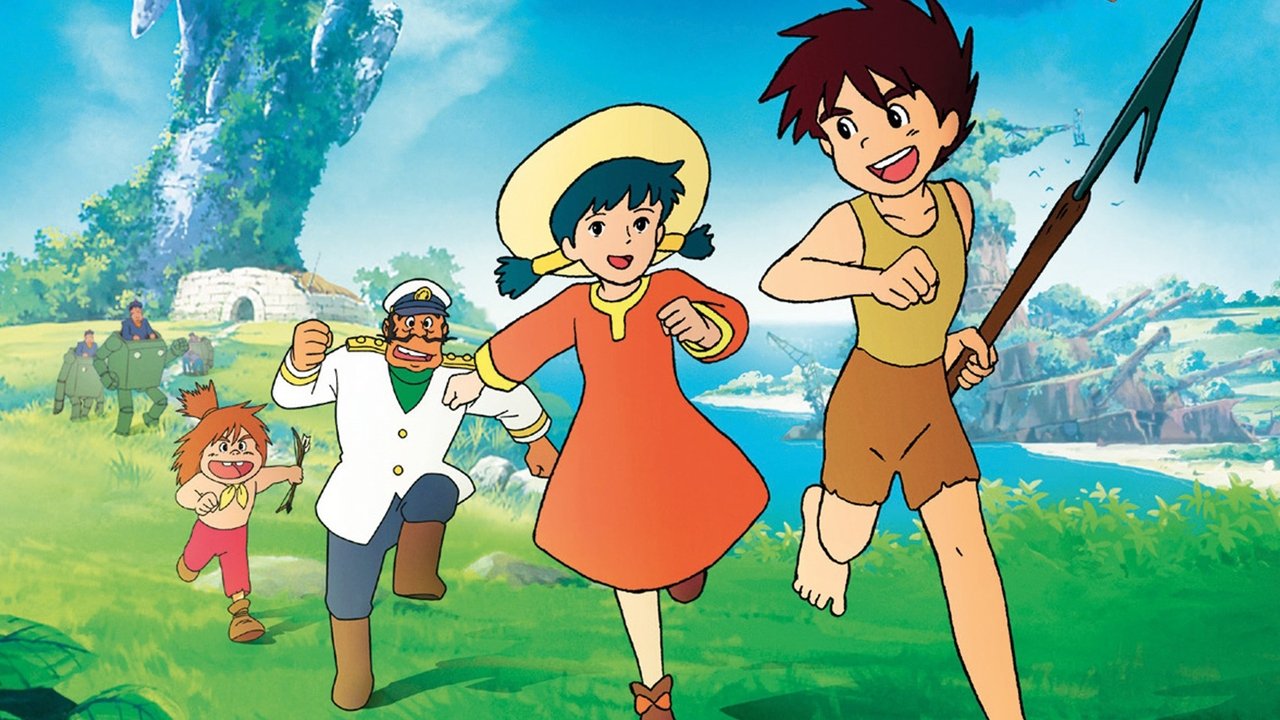
In this 1979 condensed-for-film recut of Hayao Miyazaki's 1978 anime series, a young boy named Conan goes on a grand adventure. Conan lives in a world that is mostly oceans; the major land masses having been destroyed by the weapons of the great disaster of 2008. He meets a young girl named Lana, who is kidnapped by the technological city-state of Industria as they attempt to regain those weapons. Together with his friends, Conan sets out to rescue Lana and stop Industria from threatening the rest of the world.
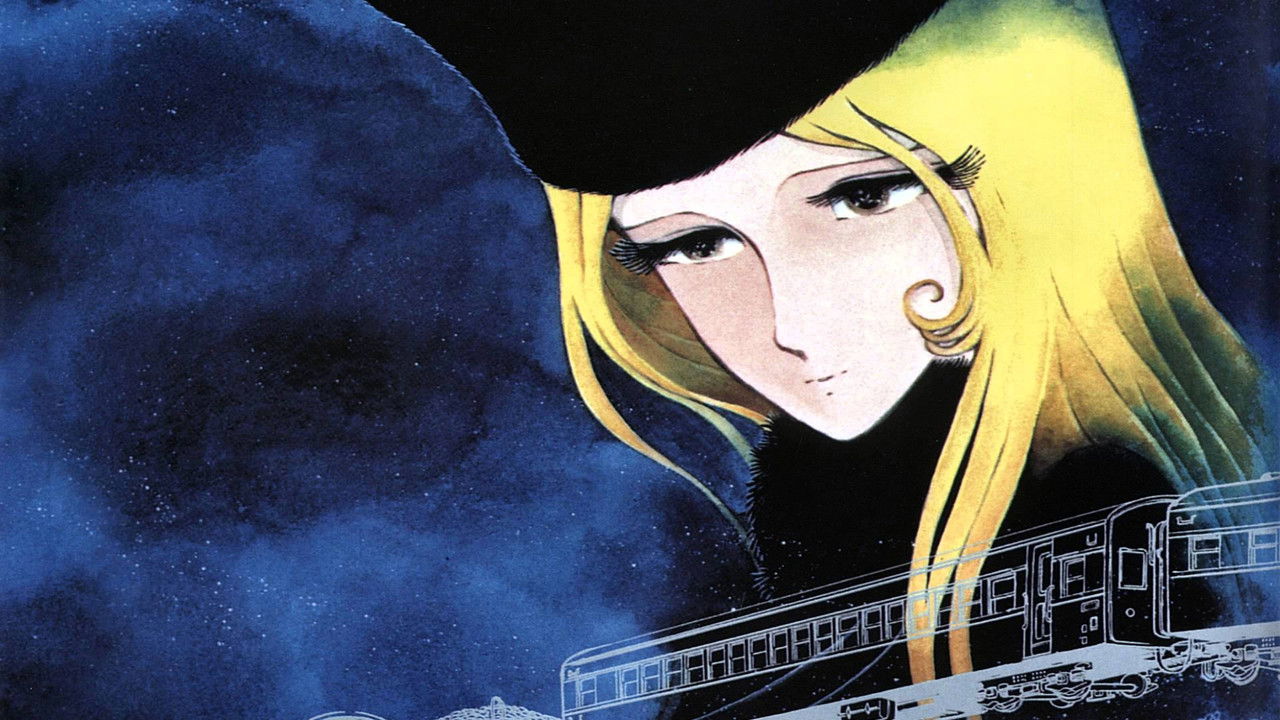
A remake of episodes 12-13 of the TV series, the 999 arrives on a planet where the entire populace has been turned to stone. The one person still alive, a warrior, attacks Tetsuro and steals his pass, hoping to use it to escape and find a cure for his lover.
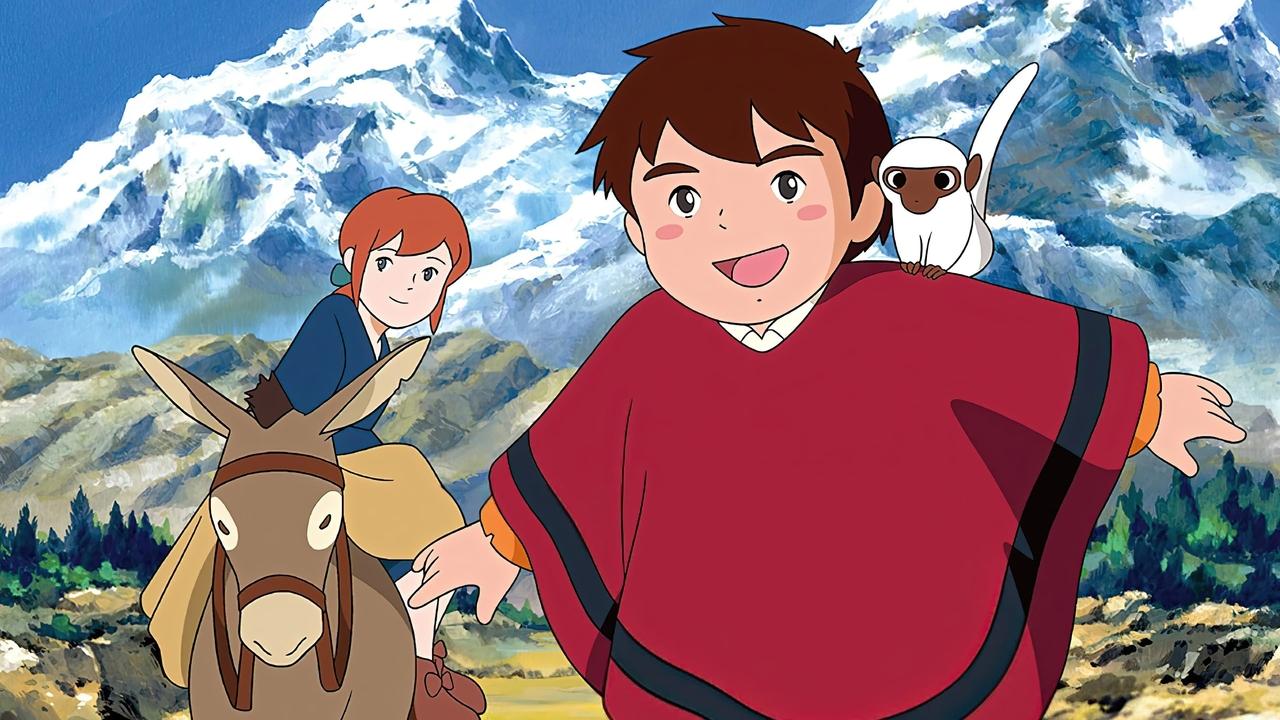
A young Italian boy named Marco is devastated when his mother must leave home to work in Argentina to pay off the family debt. She sends the family letters, but soon the messages stop coming, which worries Marco and sets him off on an epic quest to find her.
The Goddess Venus is jealous of the beautiful human girl Psyche and blames her pet unicorn, Unico, as Psyche's source of good luck that keeps her from the harm of the goddess' cruel intentions. Unico has the amazing power to make anyone he meets happy. Whether it's because of his personality or the powers of his horn, no one knows. Venus has Unico banished, and the West Wind now takes Unico from one place and time to the next. Taken to a heavily polluted city, Unico meets a sickly girl named Chiko who is suffering because of the pollution of a nearby factory that darkens the entire sky. Unico then is determined to cheer her up, cure her, and destroy the nearby factory.
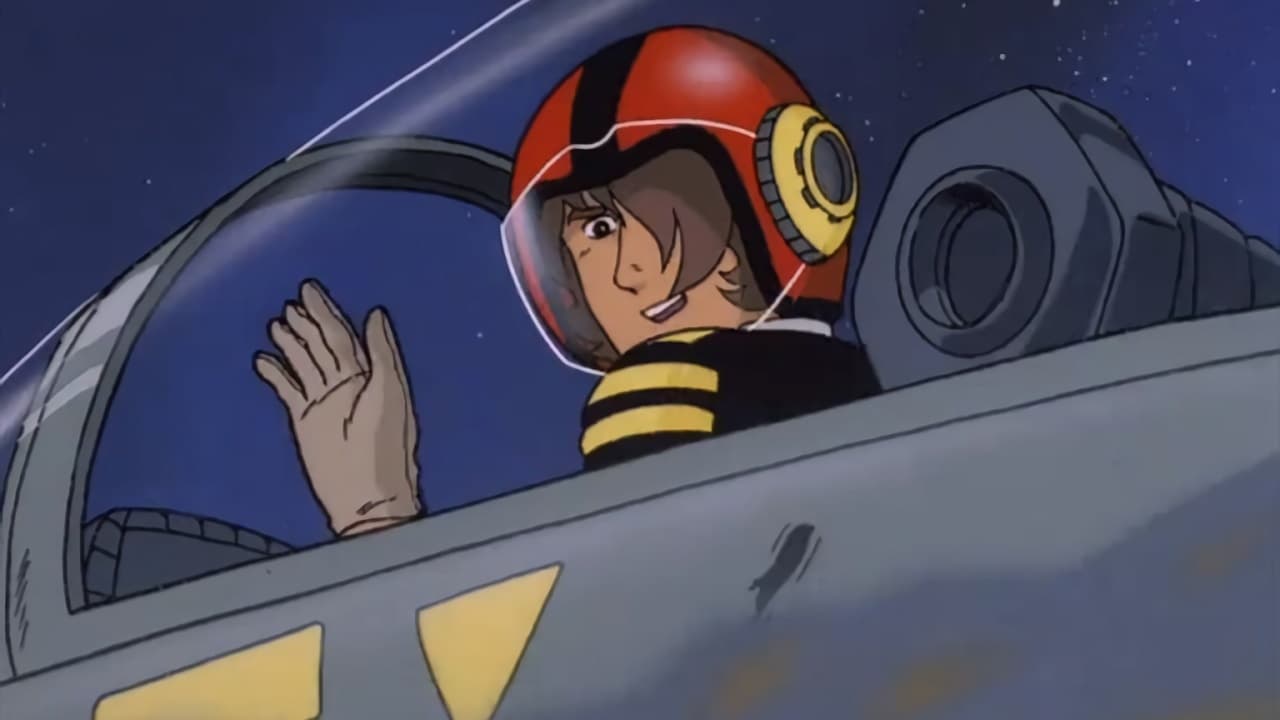
Time to ease up ... not! Although the Yamato's crew has witnessed the end of the long, hard-fought Comet Empire War, a peaceful future will have to wait. While Dessler gathers together the shattered remnants of his Gamilus Empire, new forces are at work in the universe that could augur in another conflict. Seems the Black Star Empire has invaded Dessler's homeworld and is decimating it, all the while gathering power for its war machine.
Anikura: classic anime from 1959 to 1989, and where to watch them
From Future Boy Conan, Unico and the Phoenix films to Galaxy Express 999, Space Battleship Yamato and Toward the Terra, from 3000 Leagues in Search of Mother, Little Women and Moomin to Osomatsu-kun, Dr. Slump and Kinnikuman. Pick a title and press Watch now.
Anikura: classic anime from 1959 to 1989, from Future Boy Conan, Galaxy Express 999 and Space Battleship Yamato to 3000 Leagues in Search of Mother, Moomin, Topo Gigio and Dr. Slump
A kura is a traditional Japanese storehouse: a thick-walled building of white plaster and black tiles where families kept their most precious things safe from fire and time. Anikura is a storehouse of that kind for classic Japanese animation. It gathers films, television series and short films made between 1959 and 1989, the thirty years in which Japanese animation grew from a handful of studio features into one of the great storytelling traditions of the world.
Here you will find the young Osamu Tezuka's experiments and science-fiction epics, the galactic trains and battleships of Leiji Matsumoto, the gleaming super robots of the 1970s, the gentle adaptations of world literature that Nippon Animation made for Sunday evenings, the magical girls and gag comedies of the 1980s, baseball, volleyball and wrestling heroes, quiet films that remember the war, and a cabinet of independent art shorts. Every title has its own page with the story, the studio, the voice cast and, for series, every episode with its original air date, plus a Watch now button that opens it on the official services in your country.
The storehouse holds close to three hundred titles, and each one was chosen by hand. This page explains how Anikura is built, what each part of the design means and what waits on each shelf. It also suggests some routes through the collection and points to the short guides that answer everyday questions about subtitles, devices, free viewing and saving titles for later.
An original storehouse design
Anikura has its own design, built on the meaning of the name, because the web archive holds a blank record for every Anikura domain. Traditional kura are famous for their namako-kabe walls, in which square black tiles are set on the diagonal and jointed with raised strips of white plaster, forming a bold lattice of diamonds. That lattice runs along the top and bottom of the black header band and across the footer, like the walls of a storehouse framing its contents.
Inside, the page is the colour of warm washi paper, #F5F0E6, with cards in a lighter cream, #FFFDF8, and text in sumi ink, #1C1B19. The accent is a vermilion red, #B33A2C, the colour of the hanko seals that artists and archivists stamp on their work, and it marks the Watch now buttons, the small diamond beside every heading and the round counters on the decade tiles. Links are a deep indigo, #22344D, and catalogue numbers are printed in ochre, #9A7433, like the faded ink of an old register.
Headings are set in Shippori Mincho, an elegant serif modelled on classic Japanese book typefaces, and text in Zen Kaku Gothic New, a calm and highly readable sans-serif. The wordmark pairs a red seal bearing the character for storehouse with the name in white serif capitals, and the favicon is the seal alone.
The exhibit, the decades and the register
The home page opens like an exhibition. Under a small ochre label reading On exhibit, a large framed still fills the left of the screen, mounted on a cream mat with a thin border and a soft shadow, as though it hung in a gallery. Beside it stands a catalogue placard with a black rule across its top: a catalogue number, the title in large serif letters, the year, the type and the studio, a few lines of the story, a red Watch now button with a crisp ink shadow and a Details link. Two square arrows and a counter move between five exhibits: Future Boy Conan, Galaxy Express 999: Can You Live Like a Warrior!!, 3000 Leagues in Search of Mother: The Movie, Unico: Black Cloud and White Feathers and Space Battleship Yamato: The New Voyage.
A short heading block follows, then the three decades, shown as large tiles with the numerals 60s, 70s and 80s in bold serif type, a line about each era and a red circle with the number of titles on its shelf. Below them sits the register, a two-column list of index cards, each with a small poster, an ochre catalogue number, the title and a line with the year, the type and the studio, bordered on the left in ochre that turns red when you point at it.
Then come the shelves, each a row of posters mounted in cream frames like prints in an archive, with the year in ochre, the title in serif and a line with the type and length. The shelves cover Osamu Tezuka, world classics, space and science fiction, robots and heroes, magical girls, comedy and family, sports, war and memory and the top-rated titles. A grid of help cards, this article and the lattice footer close the page.
1959 to 1969: the foundations
The oldest titles in the storehouse come from the years when Japanese animation was finding its feet. In the late 1950s, Toei Animation set out to become the Disney of the East, producing colour features with lavish hand-drawn animation, while independent artists experimented with puppets, cut-outs and paint. The 1959 to 1969 shelf gathers about twenty-five titles from this era.
The short films are a delight. Kitty's Studio, from 1959, follows a kitten who directs his own little film, drawn by Yasuji Mori, one of the founding animators of Toei. The Sparrow in the Pumpkin tells a fable of friendly frogs and a bully, and Three Tales and The Moonbeam Princess show early experiments with puppets and stories from Japanese literature. The Madcap Island follows a group of children stranded on a volcanic island, and Doggie March follows a puppy who sets out to avenge his mother.
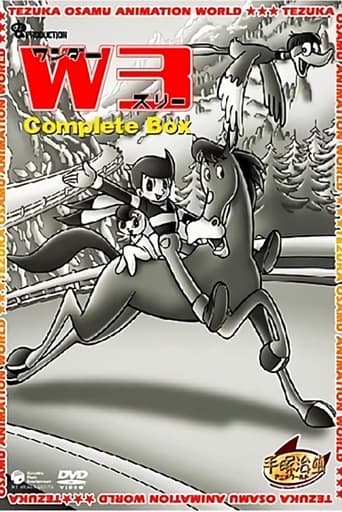
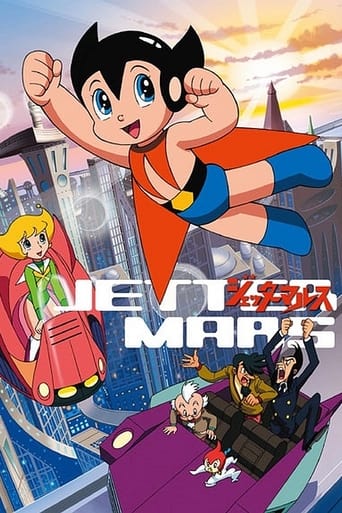
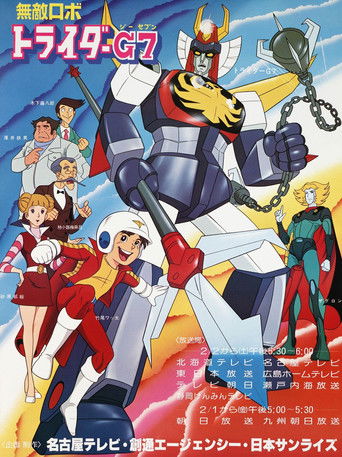
Television animation began in earnest in 1963, when Osamu Tezuka's Astro Boy proved that a weekly series could be made on a small budget. Astro Boy: The Brave In Space gathers episodes of that pioneering series, reproduced in colour for the cinema. The shelf also holds Gigantor, the American version of Tetsujin 28, Prince Planet, one of the earliest science-fiction series, W3, Tezuka's tale of three alien agents disguised as animals, and Golden Bat, a skull-faced hero from the pre-war paper theatre of Japan.
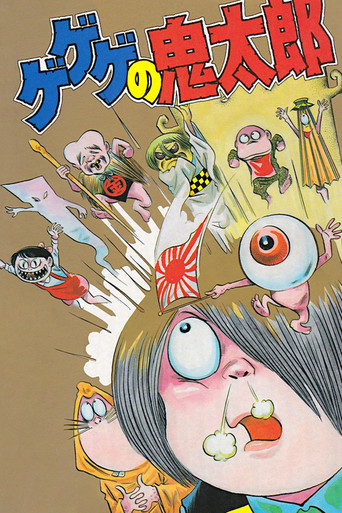
By the end of the decade, television anime had found its great genres. Cackling Kitarou and Spooky Kitaro brought Shigeru Mizuki's yokai boy to the screen, Humanoid Monster Bem followed three monsters who dream of becoming human, and the Star of the Giants films, beginning with Star of the Giants - Go, Go, Hyuma, launched the sports anime tradition with the story of a young pitcher trained by his demanding father. Sasuke followed a boy ninja, and The World of Hans Christian Andersen imagined the storyteller's own childhood.
The 1970s: robots, classics and space
The 1970s were the decade in which anime became a part of daily life in Japan. Children rushed home for robot shows, families gathered on Sunday evenings for adaptations of world literature, and teenagers queued at cinemas for space operas. The 1970s shelf gathers more than sixty titles.
The 1980s were the busiest decade of all, and the 1980s shelf is the largest in the storehouse, with close to two hundred titles. Television anime reached new heights of popularity, cinemas filled with franchise films every spring and summer, and the arrival of home video let studios make stories for older fans outside the limits of broadcast schedules.
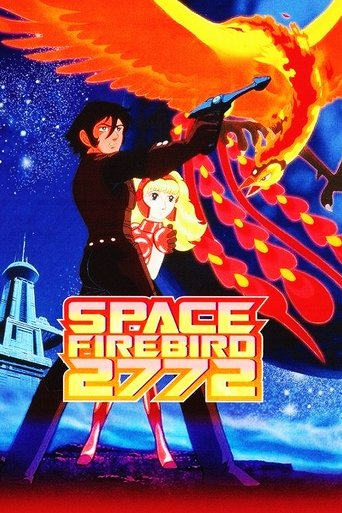
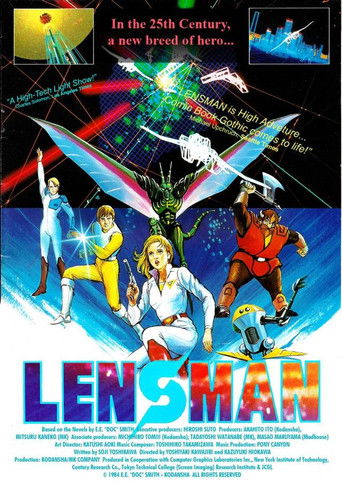
Science fiction flourished too. Toward the Terra, based on Keiko Takemiya's manga, follows a boy who discovers he belongs to a persecuted race of psychic humans, and Andromeda Stories follows a royal couple on a planet threatened by machines. Queen Millennia tells of a woman who guards the Earth against an approaching planet, Phoenix 2772 follows a young cadet sent to capture a cosmic phoenix, Fumoon imagines a tiny humanoid race born from nuclear tests, and Lensman adapts E. E. Smith's classic space opera with some of the earliest computer-generated imagery in anime. A Time Slip of 10,000 Years: Prime Rose hurls a Japanese city and a Texan one ten thousand years into the future.
Several films from this decade are quietly beautiful. Penguin's Memory: A Tale of Happiness follows a penguin soldier returning home from war, Legend of the Forest, by Tezuka, tells of a squirrel and the destruction of a forest to the music of Tchaikovsky, Nayuta follows a schoolgirl who meets a boy from another world, and The Legend of Watt Poe tells of a whale said to bring happiness to a world recovering from disaster.
Osamu Tezuka
The most important name in the storehouse is Osamu Tezuka, the doctor turned artist who is called the god of manga. He created Astro Boy, Kimba the White Lion, Black Jack and Phoenix, founded the Mushi Production studio and later Tezuka Productions, and experimented tirelessly with the form of animation itself. The Osamu Tezuka shelf gathers more than twenty-five of his works, and the Tezuka guide is a friendly introduction.
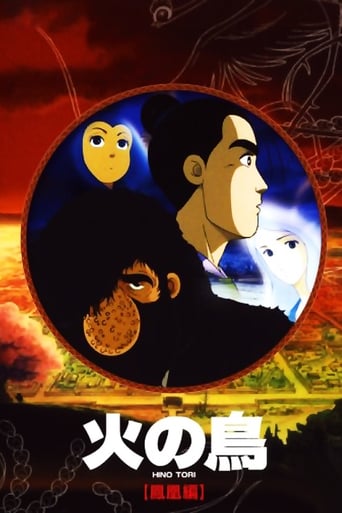
His feature films range from epic to intimate. Phoenix 2772, from 1980, is a sweeping science-fiction story in which a young space cadet raised by a robot nanny is sent to capture the phoenix, a cosmic bird whose blood is said to grant eternal life, and discovers along the way what it truly means to live. Bagi, the Monster of Mighty Nature is his thoughtful response to genetic engineering, the story of a young man and a half-human, half-lion creature created in a laboratory. Galaxy Investigation 2100: Border Planet is a love story set as humanity spreads into space, and Bremen 4: Angels in Hell turns the Brothers Grimm's Town Musicians of Bremen into a musical adventure about four animals turned into people by alien technology. Undersea Super Train: Marine Express, A Time Slip of 10,000 Years: Prime Rose and Fumoon come from his famous series of two-hour television specials made for charity broadcasts.
Tezuka also loved short experimental films, and several are here. Jumping, from 1984, follows a single jump that grows longer and longer until it carries the viewer over towns, forests, seas and even war zones, all in one continuous point-of-view shot. Legend of the Forest follows a flying squirrel and the history of animation itself, moving from early cartoon styles to modern ones as the forest faces destruction. Cigarettes and Ashes, Mysterious Medicine and The Green Cat show his wit in miniature, and Rain Boy and Lunn Flies into the Wind are small, tender stories about lonely children. The Tale of Osamu Tezuka: I'm Son-Goku mixes his own life story with a science-fiction version of Journey to the West, made in the year of his death.
From the 1970s onward, Japanese studios made some of the most faithful and beautiful adaptations of world literature ever animated, and the World classics shelf gathers about forty of them, with the world classics guide as an introduction.
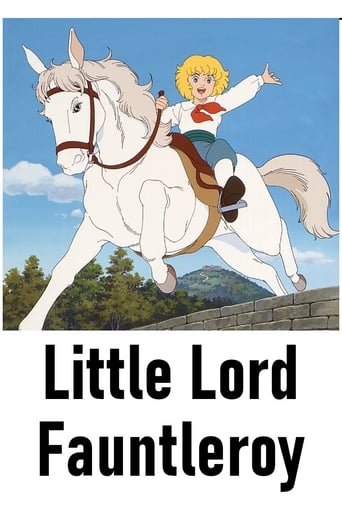
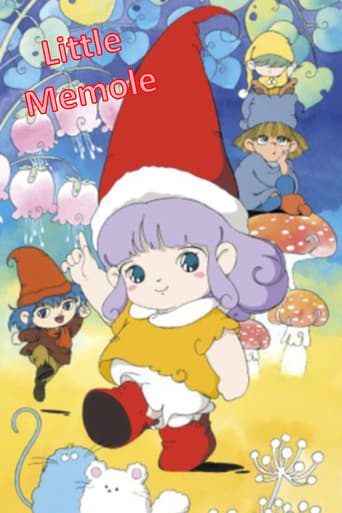
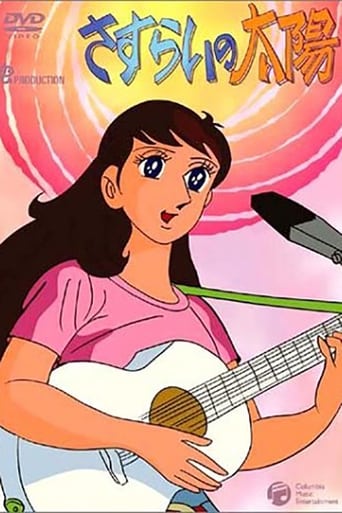
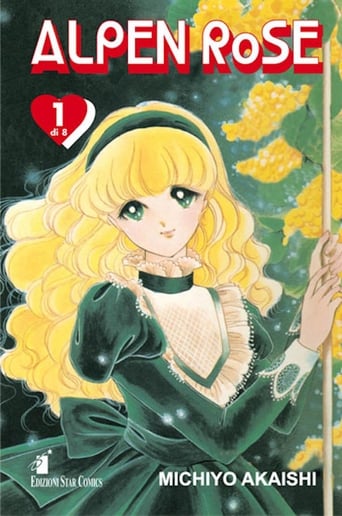
Many came from the World Masterpiece Theater, a Sunday evening slot on Fuji Television that ran for more than twenty years. The shelf holds Little Women, following the four March sisters during the American Civil War, Little Lord Fauntleroy, about an American boy who becomes heir to an English earl, The Story of Cuore, School of Love, set in an Italian school, and Little Memole, about a tiny girl from a race of little people. Earlier adaptations include Nozomi in the Sun, Alpen Rose and Lady Oscar, the story of a woman raised as a soldier in the court of Marie Antoinette.
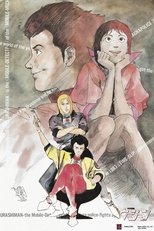
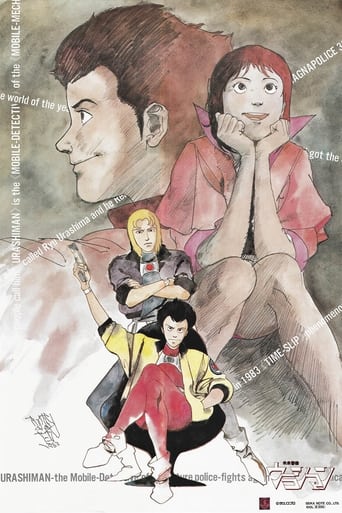
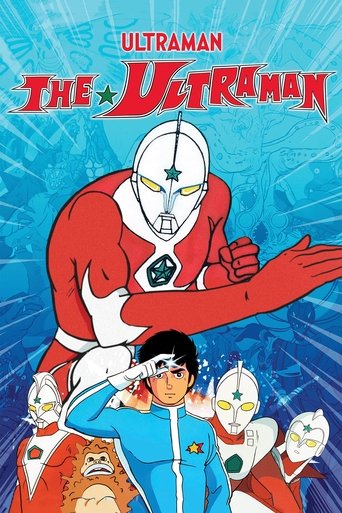
Costumed heroes join the robots. Dream Fighter Wingman follows a boy who draws himself into a real superhero, Future Police Urashiman sends a time-travelling policeman to 1980s Tokyo, Sonic Soldier Borgman follows three cyborg teachers, and The Ultraman brings the famous giant hero into animation. Chargeman Ken!, a cult 1970s series with famously stiff animation, follows a boy defending Earth in the year 2074.
Comedy, family and animal friends
The Comedy and family shelf is the largest of the themed shelves, with about eighty titles. Its roots lie in the family comedies that Japanese television has broadcast on weekend evenings since the late 1960s, whose gentle, everyday humour became part of Japanese life.
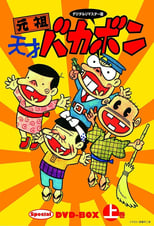
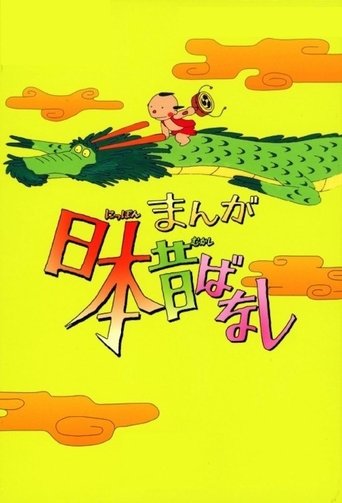
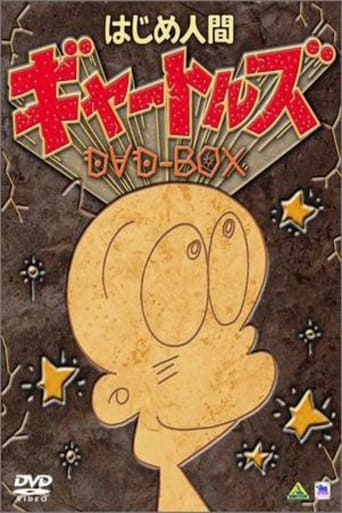
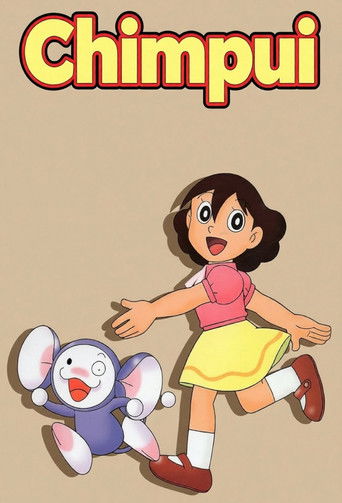
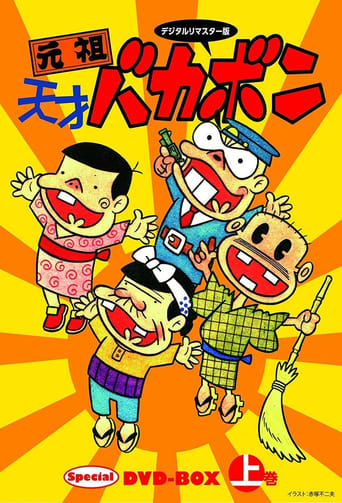
Fujio Akatsuka's anarchic comedies appear in Osomatsu-kun, about six mischievous identical brothers, and Tensai Bakabon, about a naive boy and his wildly eccentric father. The Gutsy Frog follows a boy with a talking frog stuck to his shirt, Oraa Guzura Dado follows a clumsy monster, First Human Gatorus follows a prehistoric tribe and Chinpui follows a small alien who hopes a schoolgirl will one day marry a prince of his planet. Japanese Folklore Tales retold a different folk tale every week for almost twenty years.
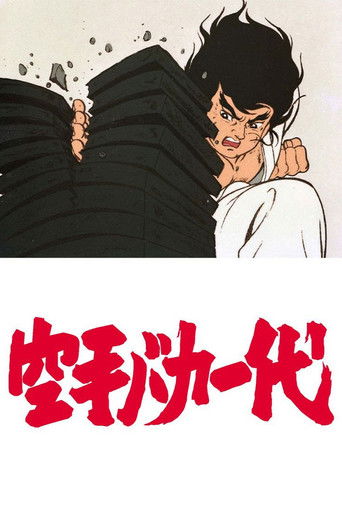
Sports anime began in this era, and the Sports shelf gathers about twenty classics. The Star of the Giants films follow Hyuma Hoshi's gruelling training as a baseball pitcher, three volleyball films follow the fiery Kozue and her school team to a world championship, and Tiger Mask: War Against the League of Masked Wrestlers follows a masked wrestler who fights to support an orphanage. Karate Master retells the early life of the karate master Mas Oyama, One Pound Gospel follows a boxer who loves food a little too much, a film about the Kickers follows a weak junior football team and Baribari Densetsu follows young motorcycle racers.
War and memory
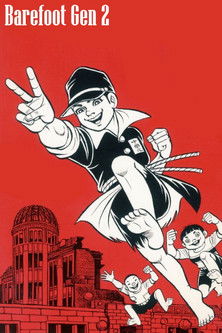
Some of the most important films in the storehouse remember the Second World War and the atomic bombing of Hiroshima, and the War and memory shelf gathers about twenty of them, with the war and memory guide as an introduction. Barefoot Gen 2 continues Keiji Nakazawa's semi-autobiographical story, following Gen three years after the bombing as he cares for a group of orphans in the ruined city. Girls in Summer Dresses: Hiroshima, August 6, 1945 remembers the schoolgirls who were working in the city that morning, Pica-Don is a short animated documentary about the bombing and Beaten by Black Rain follows survivors many years later.
Other films look at the war from different angles. Kenya Boy follows a Japanese boy stranded in Africa in 1941, The Boy and the Blue Sea follows a friendship across old enmities and Penguin's Memory: A Tale of Happiness follows a penguin soldier returning from war. Nightsong of Splendor is set in Tokyo in the weeks before the great earthquake of 1923, and the Animated Classics of Japanese Literature series adapts famous modern stories by writers such as Natsume Soseki and Yasunari Kawabata. These films are best watched with care, and many are well suited to older children watching with their families.
Art shorts
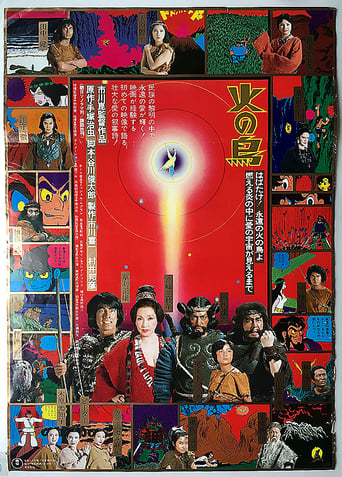
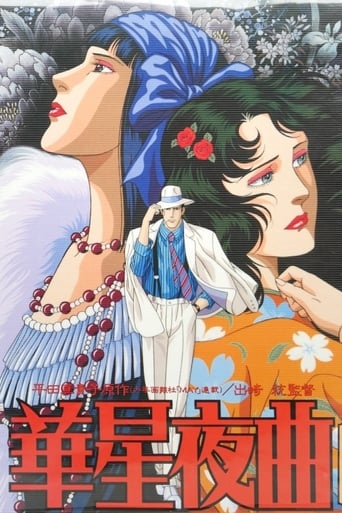
The Art shorts shelf gathers about thirty short films by independent artists and studio experimenters. House of Flames, by the puppet master Kihachiro Kawamoto, tells a haunting tale of a woman torn between two suitors with exquisite puppets. The Strong Bridge, by Tadanari Okamoto, uses his distinctive cut-out style, and Crayon Angel weaves wartime footage and family photos into a message of peace. At the Bus Stop is a student film by Hideaki Anno, who later created Neon Genesis Evangelion, and RUNNING and Natural History are small, playful experiments with paper and paint. Royal Space Force: The Wings of Honneamise Pilot is the short pilot that led to one of the most admired anime films of the 1980s.
The studios of the storehouse
A small number of studios made most of the classics on Anikura, and each has its own character. Toei Animation, founded in 1956, made the first great colour features, trained a generation of animators including Hayao Miyazaki and Isao Takahata, and went on to produce the Mazinger, Galaxy Express 999 and Dr. Slump films. Mushi Production, founded by Osamu Tezuka, made the first weekly television series and pioneered the cost-saving techniques that let television anime flourish. Tatsunoko Production, founded by the Yoshida brothers, created Gatchaman, Tekkaman and the Time Bokan comedies with a bold, realistic style of character design.
Nippon Animation, which grew out of an earlier studio called Zuiyo, made the World Masterpiece Theater adaptations, and its staff travelled abroad to research the landscapes and customs of the stories they adapted, which is why its classics feel so grounded. Sunrise made the real-robot series of the 1980s, and Tokyo Movie Shinsha made Lupin the Third and many sports series. Smaller studios and independent artists, such as Kihachiro Kawamoto and Tadanari Okamoto, kept the art of the short film alive beside the commercial industry.
Each title page on Anikura lists the studios behind it, so you can follow a studio you admire from one title to another.
Classic anime around the world
Many of the classics in the storehouse travelled far from Japan. In Europe, series such as Heidi, 3000 Leagues in Search of Mother, Moomin and Captain Future were broadcast in many languages in the 1970s and 1980s and became part of childhood for millions of viewers in Italy, Spain, Germany, France and beyond. In the Arab world, dubbed classics such as Grendizer and Adventure of Gamba were hugely popular. In the Americas, Gigantor, Prince Planet and Gatchaman were among the first anime on television, often under new names and with new music.
That is why some titles on Anikura may be familiar under a different name. The search accepts English titles, original Japanese titles and many alternative spellings, and the finding a title guide explains how it works. The subtitles and dubs guide explains how to find the original Japanese audio or a classic dub where services carry one.
Anikura is a guide, and every title page leads to the official services that carry it. The how to watch guide walks through the steps. Choose a title from the exhibit, a decade tile, the register or a shelf. Read its page, which shows the story, the studio, the voice cast and, for series, every episode with its original air date. Then choose your country and press Watch now, and JustWatch lists every official service that carries it.
Every film and series in the storehouse was made by hand. Animators drew each movement on paper, the drawings were traced or photocopied onto transparent sheets of celluloid called cels, and painters coloured the back of each cel by hand. The cels were then laid over painted backgrounds and photographed one frame at a time on a rostrum camera. A half-hour episode might need several thousand cels, and a feature film tens of thousands.
That craft gives classic anime its distinctive look: rich painted backgrounds, flat bright colours on the characters, and a slight shimmer where layers of cels meet. To save time and money, television studios developed clever techniques that became part of the anime style, such as held frames on a dramatic pose, sliding a single drawing across a background, repeating a transformation sequence every episode and using still images with camera movement for emotional moments. Directors such as Osamu Dezaki turned those limits into art, with split screens, freeze frames that looked like painted postcards and dramatic shafts of light.
By the late 1980s, studios began to experiment with computer graphics, as in the space battles of Lensman, but cels remained the heart of anime production until the late 1990s. Watching the classics on Anikura is a chance to enjoy an art form that took enormous skill and patience, and whose painted backgrounds still look beautiful on a modern screen.
The video era
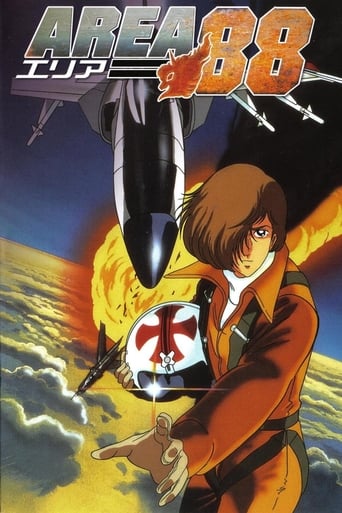
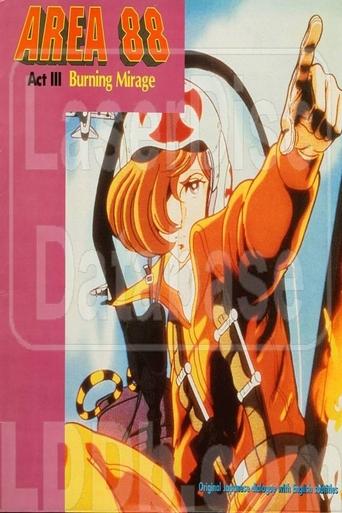
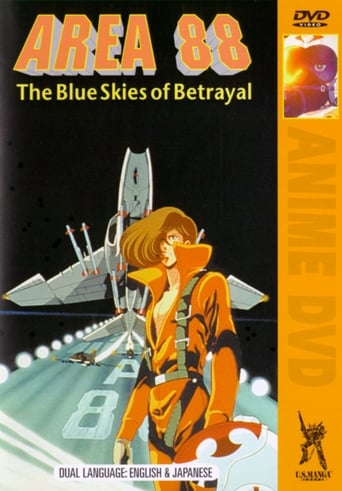
In 1983, the release of Dallos, a science-fiction story made directly for videocassette, opened a new market: original video animation, often called OVA. Freed from television schedules and broadcast rules, studios made short series and one-off films for collectors, often with higher budgets per minute and more ambitious visuals. Many of the titles from the late 1980s on Anikura, such as Dallos, Crusher Joe: The OVAs, Area 88 and Starship Troopers, come from this boom.
The video era also produced many titles made for adult audiences, and Anikura leaves those to other places. The storehouse keeps the adventures, comedies, science fiction and dramas that suit a wide audience, so that the whole collection can be browsed with confidence.
Voices and music
Classic anime is full of unforgettable music. Opening songs were written to be sung by children in the playground, with heroic choruses for the robot shows, wistful ballads for the world classics and bright pop tunes for the magical girls. Composers such as Hiroshi Miyagawa, who wrote the stirring music of Space Battleship Yamato, and Koichi Morita, who wrote for many classic series, gave the era its sound, and the Galaxy Express 999 film theme became one of the best-loved Japanese pop songs of its time.
The voice actors of the era became stars too. Many of the performers heard in these titles went on to long careers, and fans often follow a favourite voice from one series to another. The cast list on each title page makes that easy, and it is often a surprise to find the same actor as a gentle hero in one series and a scheming villain in another.
Watching the classics today
Most of the classics on Anikura were made for television screens that were almost square, so they appear with black bars at the sides on a modern widescreen television. That is how they were meant to be seen, and stretching the picture to fill the screen distorts the drawings. Many titles have been carefully restored from the original film, with cleaner colours and sharper lines, while keeping the gentle grain of the film itself.
Older series move at a different pace from modern anime. Episodes often begin with a recap and end with a preview, stories unfold slowly over many weeks, and quiet moments are allowed to breathe. Settling into that rhythm is part of the pleasure. Watching one or two episodes a day, as viewers did when the series first aired, is a lovely way to enjoy them.
Magical girls
The magical girl is one of anime's most enduring inventions, and the Magical girls shelf follows it through the 1980s, its golden age. The formula was simple and irresistible: an ordinary girl receives a magical gift, often from a visitor from a fairy kingdom or another planet, and uses it to transform, help people and learn something about growing up. The heroines of the 1980s often transformed into older versions of themselves, a teenage singer or a grown-up professional, giving young viewers a playful glimpse of the future.
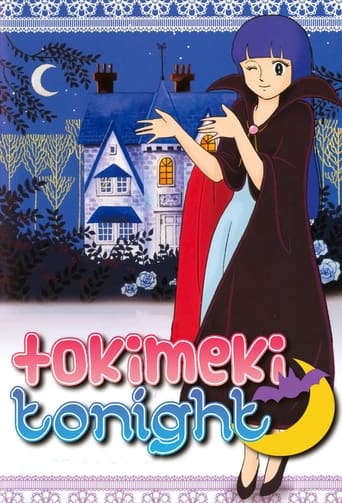
Creamy Mami, created by Studio Pierrot in 1983, followed ten-year-old Yu Morisawa, who could become the pop idol Creamy Mami, and its success led to a whole family of magical-girl series from the same studio, including Persia and Magical Emi, whose heroines meet in the New Year special on Anikura. Minky Momo, from Ashi Productions, followed a princess from a dream kingdom who transforms into grown-up professionals to bring happiness to people on Earth. Older heroines such as Akko-chan, whose magic compact first appeared in the 1960s, were revived for new generations, and the shelf holds two of her 1989 films. Tokimeki Tonight added a romantic twist with a heroine whose father is a vampire and mother a werewolf.
Classics for families
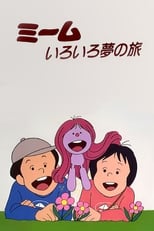
Many titles in the storehouse were made for the whole family, and they remain wonderful to share. The World Masterpiece Theater adaptations were designed for Sunday evenings, when parents and children watched together, and their stories of courage, kindness and growing up still speak to every age. The animal films, such as Eleven Cats and Adventure of Gamba, are lively and funny, and the comedies of Fujiko Fujio and Akira Toriyama have delighted children for decades.
A few titles deal with serious subjects. The films about Hiroshima and the war are moving and sometimes painful, and they are best watched together with older children, with time afterwards to talk. Each official service shows its own age rating after you press Watch now, and many offer children's profiles with age limits. Watching the opening minutes together is always a good way to decide whether a classic suits your family.
Why the classics still matter
The classics of 1959 to 1989 are the roots of everything anime has become. The robot shows of the 1970s led to the great mecha sagas of later decades, the World Masterpiece Theater trained the directors who founded Studio Ghibli, the magical girls of the 1980s shaped countless later heroines, and Osamu Tezuka's ideas about storytelling and technique still guide animators today. Watching the classics is like visiting the workshop where a whole art form was invented, full of ideas that were fresh and daring when they first appeared.
They are also simply good stories, told with warmth, humour and craft. A child from the 1970s and a child today can laugh at the same Dr. Slump joke, cheer the same giant robot and cry at the same moment in 3000 Leagues in Search of Mother. That is the treasure the storehouse keeps.
A collector's approach
Many fans enjoy exploring the classics the way a collector explores an archive: one drawer at a time. You might choose a single studio and watch its work in order, noticing how its style changed from year to year. You might follow one creator, such as Osamu Tezuka, from his early television experiments to his last films. You might pick a single year, say 1979 or 1985, and watch a handful of titles from it side by side to feel what Japanese animation was like at that moment. The decade tiles, the shelves and the studio lists on each title page make all of these approaches easy.
Keeping notes adds to the pleasure. My List can hold every title you plan to watch, and ticking off episodes turns a long series into a steady, satisfying project. Some viewers keep a small diary of favourite scenes, songs and characters, or look up the original manga and novels after an adaptation they loved. Others seek out the music, much of which has been reissued, and listen to the opening songs of a whole decade in one sitting.
However you explore, the storehouse rewards curiosity. Behind the famous names wait dozens of small, charming films and forgotten series that few people have seen in years, and discovering one of them is a quiet thrill. Every title on Anikura is here because it is worth that discovery, and every page leads straight to the official services where you can watch it tonight.
If you are new to classic anime, start small. Choose one film from the exhibit, one episode of a world classic and one short from the art shelf, and watch them over a weekend. Notice the painted skies, the hand-drawn movement, the music and the unhurried storytelling. Then follow whichever thread delighted you most, whether a studio, a director, a genre or a decade, and let the storehouse open one drawer at a time. Before long, you will have your own list of favourite classics to share with friends and family.
Classics for every season
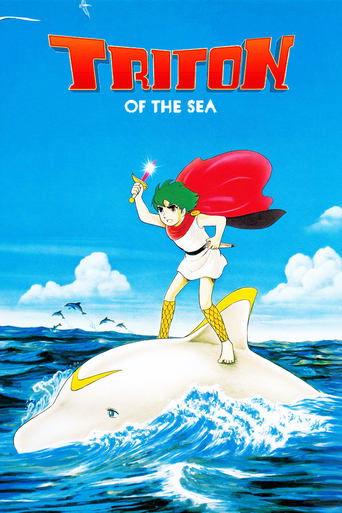
Classic anime suits the rhythm of the year. On a snowy winter evening, the Galaxy Express 999 films and the Yamato voyages feel especially grand, with their long journeys through cold, starry space. In spring, the gentle world classics, from Heidi to Little Women, match the season of new beginnings. Summer is the season for adventure and for memory: the island stories, the sea voyages of Triton, the ghost stories of Kitaro and, in early August, the films that remember Hiroshima. Autumn, with its long evenings, is perfect for the thoughtful science fiction of Toward the Terra and Phoenix 2772, or for a marathon of Sunday evening family comedy. Whatever the season, the storehouse has a classic to match the mood, waiting to be taken down from its shelf and enjoyed again by a new generation of viewers.
A short glossary of classic anime
A few words appear often in writing about classic anime. Anime simply means animation in Japanese. A cel is a transparent sheet on which characters were painted. The World Masterpiece Theater was the Sunday evening series of literary adaptations made by Nippon Animation. A super robot is a heroic giant machine with special attacks, while a real robot, a term from the 1980s, is a more realistic military machine. A magical girl is a young heroine with magical powers, often able to transform into an older version of herself. An OVA, or original video animation, is a series or film made directly for home video. A tokusatsu hero is a costumed hero from live-action television, and several animated heroes on Anikura, such as The Ultraman, grew from that tradition.
A storehouse worth opening
Anikura is built for anyone who loves the classics of Japanese animation, whether you grew up with them, discovered them through a favourite director or simply want to see where today's anime came from. Every title has been chosen by hand, every page leads to official services and every shelf is designed to make the next choice a little easier. Open the exhibit, pick a decade and enjoy the treasures of the storehouse.
Questions
What is Anikura?
Anikura is a guide to classic Japanese animation from 1959 to 1989, with a Watch now button on every title page that opens it on the official services in your country.
What does kura mean?
A kura is a traditional Japanese storehouse, and Anikura is a storehouse of classic anime.
How do I watch a title?
Open the title page, choose your country and press Watch now. JustWatch opens with the official services that carry it where you live.
Why are there black bars at the sides of the picture?
Most classics were made for almost square television screens, so they appear with bars on a widescreen television.
Which titles suit younger viewers?
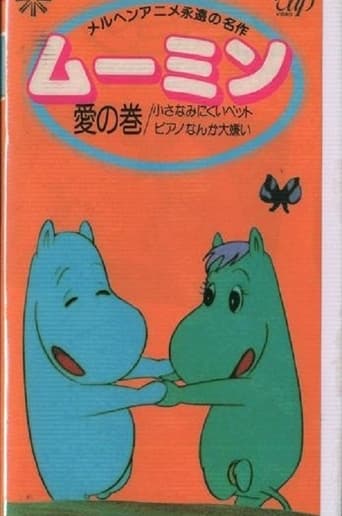
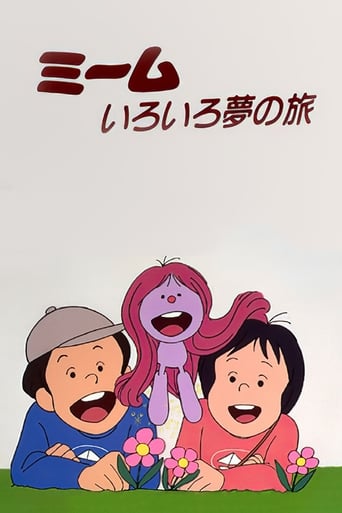
The World classics and Comedy and family shelves suit younger viewers, with titles such as Moomin, Heidi in the City and the Dr. Slump films.
Are the classics subtitled or dubbed?
Many have English subtitles on official services, and some services carry classic dubs made for television abroad.
How do I keep track of a long series?
Add the series to My List and tick the episodes you have watched. Your place is kept in your browser.
Where do the scores and details come from?
Scores, episode lists, cast and studio details come from TMDB, and the Watch now button uses JustWatch to list official services.